VidBee vs. JDownloader
Compare the key features of VidBee and JDownloader.
Free and open source.
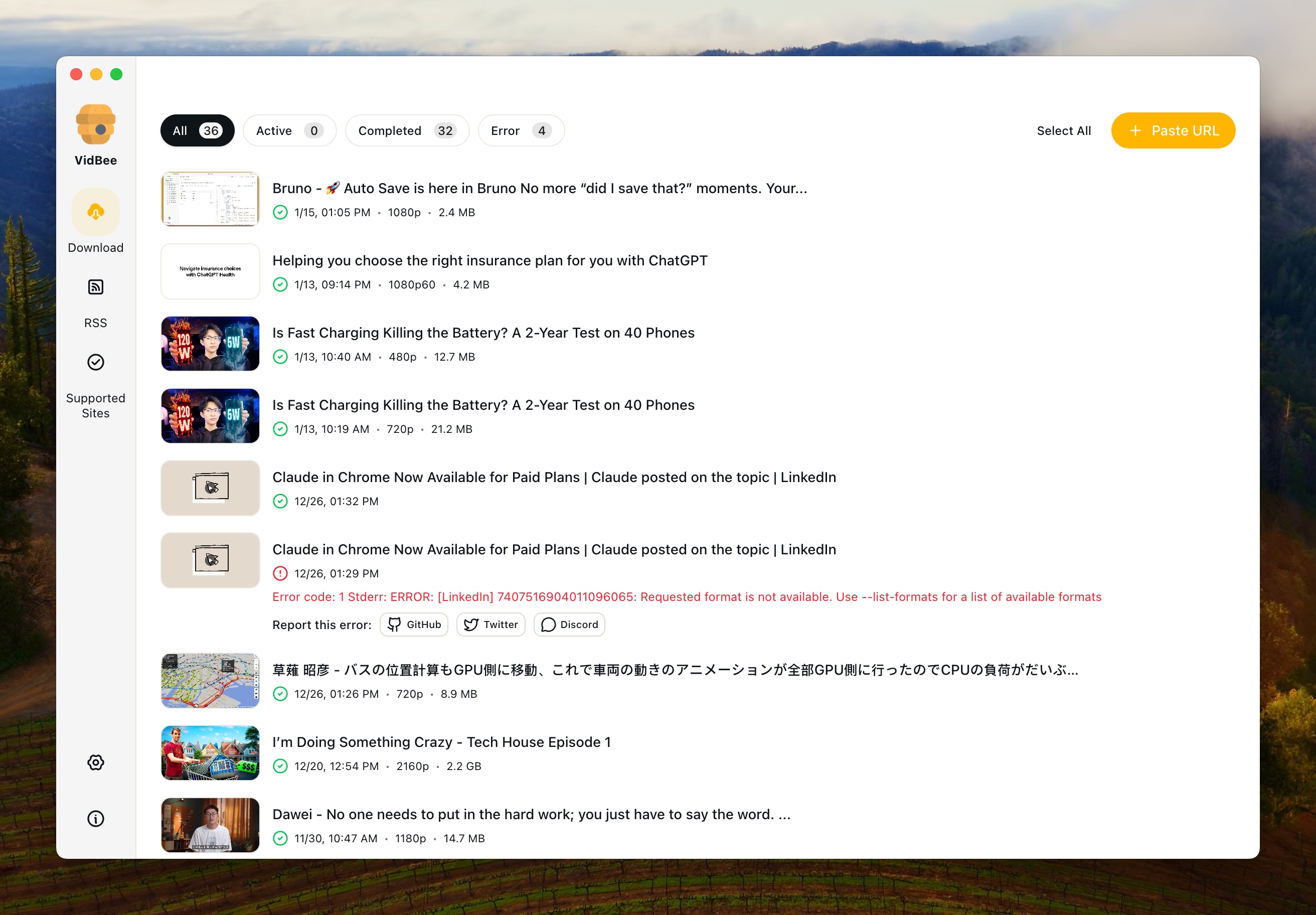
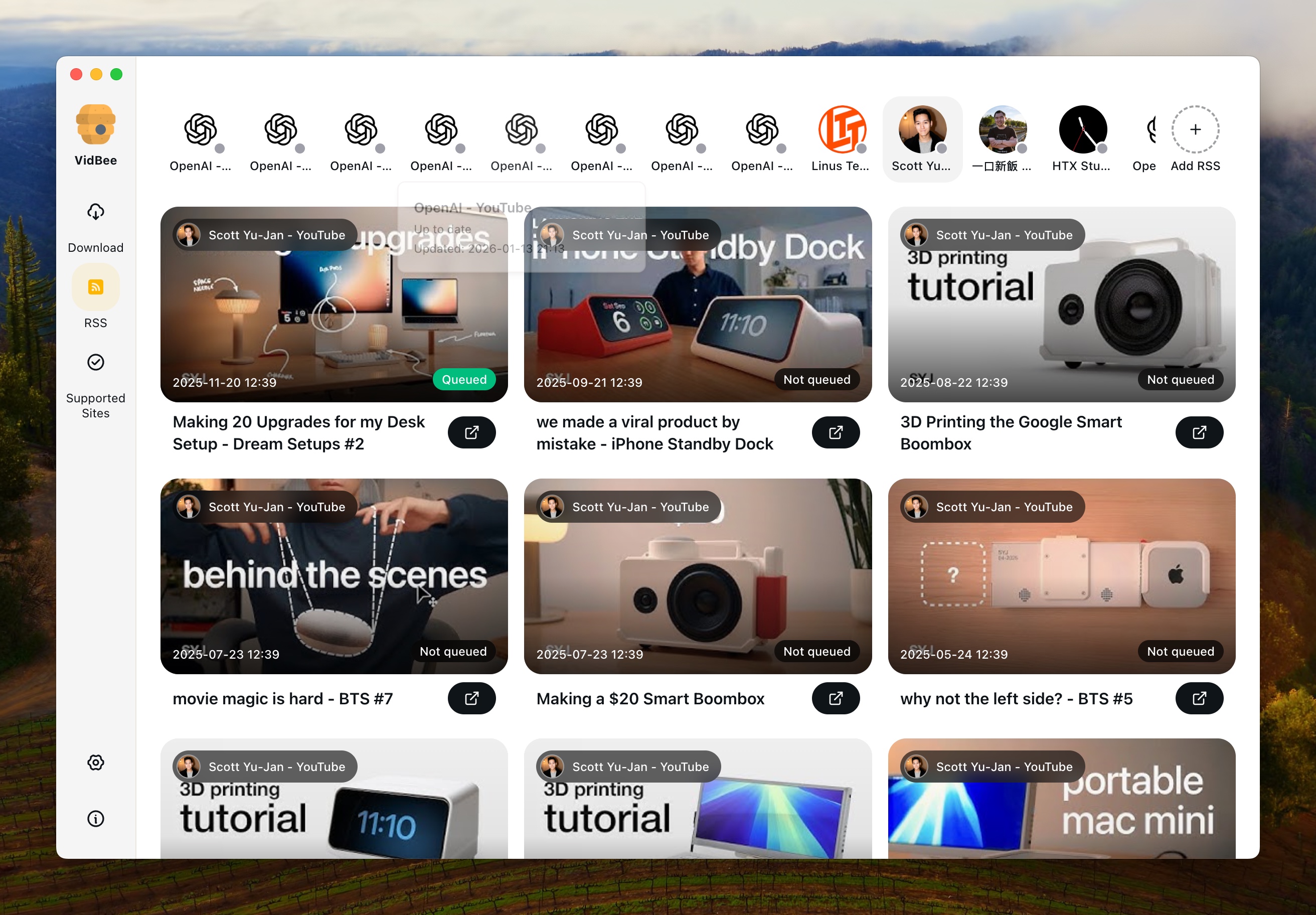
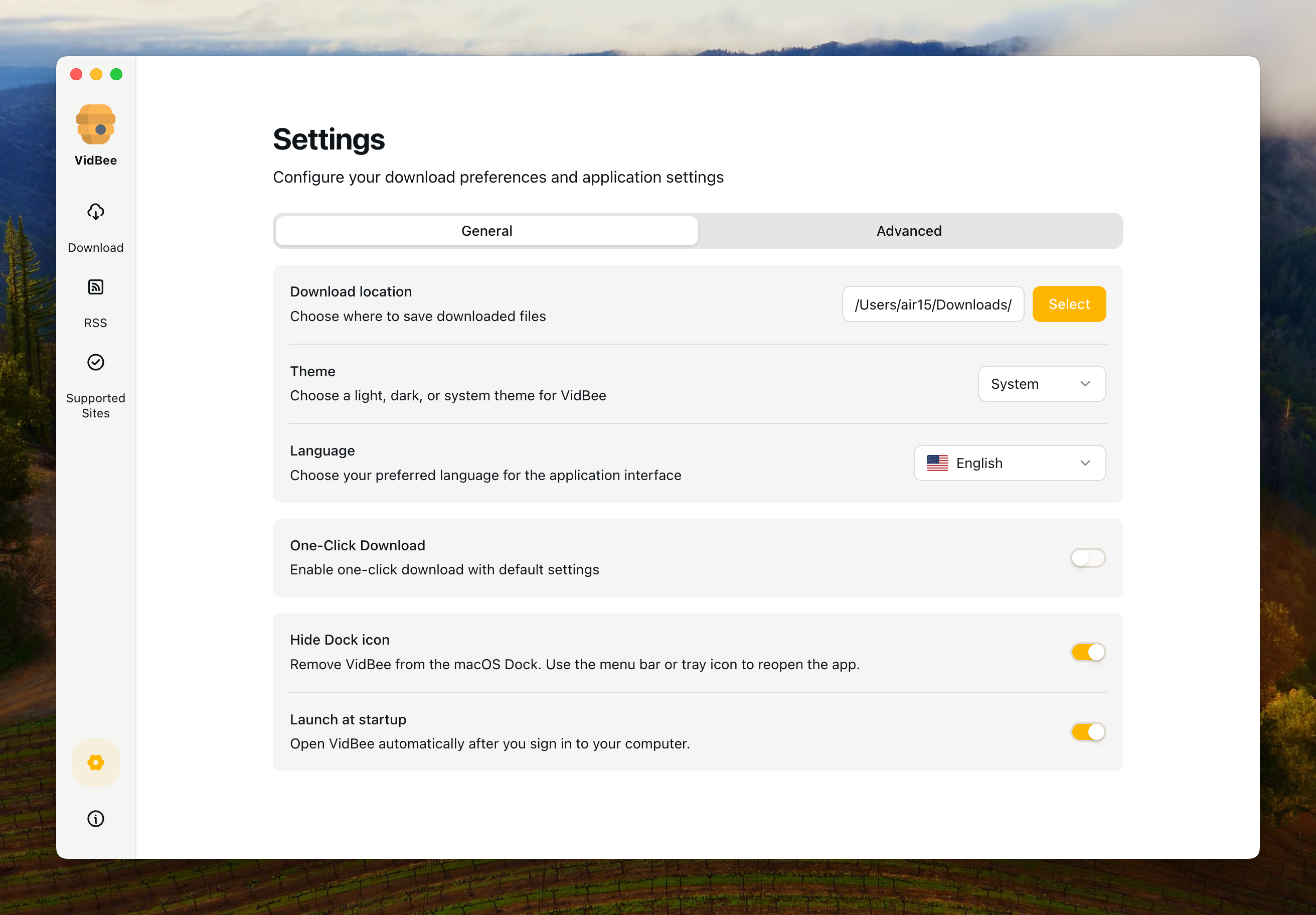
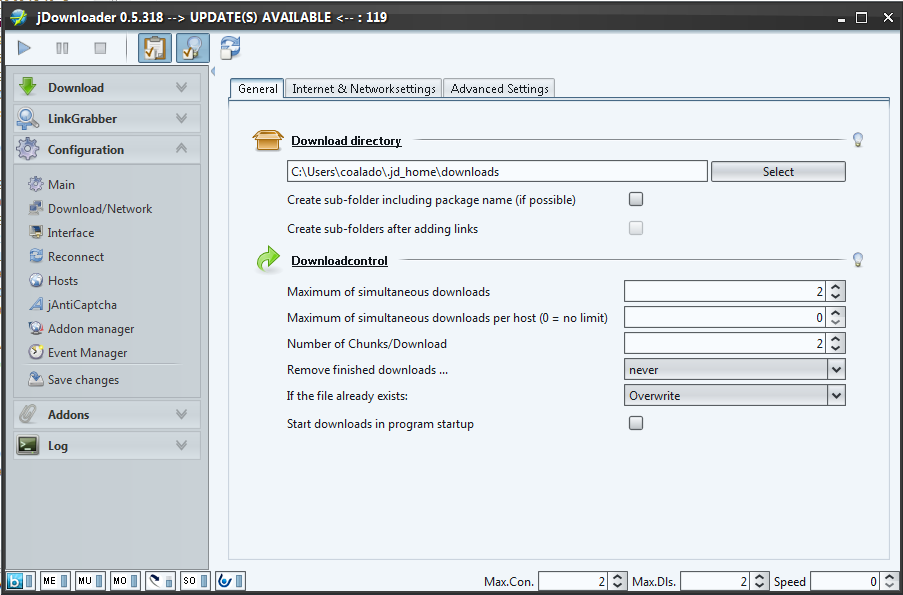
Interface Preview
VidBee
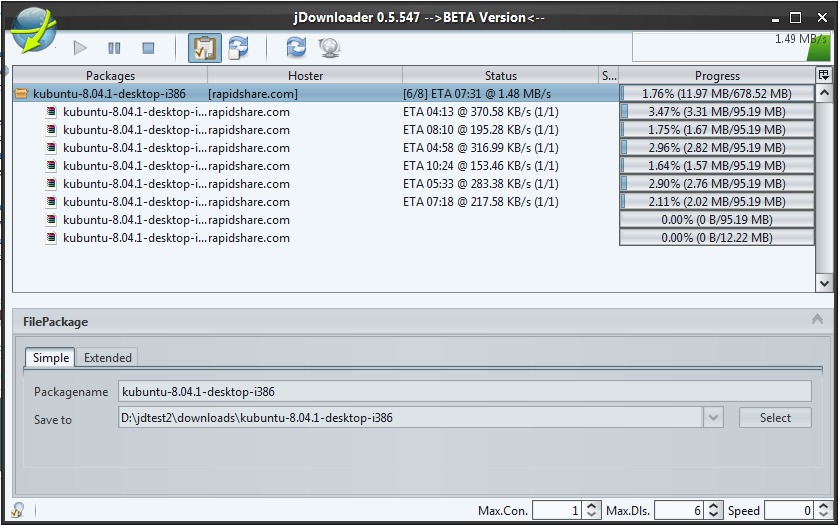
JDownloader

Why choose VidBee over JDownloader?
| VidBee | JDownloader | |
|---|---|---|
| Platform & Setup | ||
| Windows Support | ✓ | ✓ |
| macOS Support | ✓ | ✓ |
| Linux Support | ✓ | ✓ |
| Setup Style | Bundled desktop app with yt-dlp and FFmpeg ready for local downloads | a cross-platform download manager with many plugin-driven workflows |
| Download Workflow | ||
| Single Video Downloads | ✓ | ✓ |
| Playlist or Batch Workflow | ✓ | users who already live inside a broader file download manager |
| Queue Management | Desktop queue with pause, resume, review, and history tracking | Powerful but heavier to learn, with a workflow that feels more like a general download manager than a focused video app |
| RSS Auto-download | ✓ | Automation exists, but not as a simple RSS-first media workflow |
| Quality & Formats | ||
| Format and Quality Control | 4K/8K formats, subtitle export, and yt-dlp level format control | a capable but denser workflow that can take longer to configure cleanly |
| Subtitle Export | ✓ | Depends on the source and the downloader workflow |
| Site Coverage | Powered by yt-dlp for broad video and audio site support | Broad plugin-driven coverage with strong file-hosting and video download support |
| Ownership & Cost | ||
| License Model | Open source desktop app | free desktop software |
| Pricing | Free | free desktop software |
Understanding the Key Differences
Why compare VidBee and JDownloader?
People usually compare VidBee with JDownloader when they want a desktop downloader instead of an ad-filled website. VidBee focuses on a local queue-based workflow powered by yt-dlp, while JDownloader is often chosen for users who already live inside a broader file download manager. The right fit depends on whether you want a broader all-in-one workflow or a tool tuned for a narrower style of downloading.
Platform coverage and setup experience
VidBee runs across Windows, macOS, and Linux with bundled download tooling, which keeps the first-run setup straightforward. JDownloader is positioned as a cross-platform download manager with many plugin-driven workflows. If you want one downloader workflow across several operating systems, VidBee is easier to standardize around.
Queues, batches, and automation
VidBee is stronger when you need larger queues, playlists, repeat downloads, or RSS-driven automation. JDownloader is better described as users who already live inside a broader file download manager, and its workflow tradeoffs show up when downloads become larger, more repetitive, or more automated. If you want to set rules once and keep processing in the background, VidBee offers the wider workflow.
Formats, quality, and metadata
VidBee gives you yt-dlp style format control in a desktop UI, including higher-resolution downloads, subtitle exports, and metadata-aware saves. JDownloader handles formats as a capable but denser workflow that can take longer to configure cleanly. That means the comparison often comes down to whether you prefer a simpler downloader flow or more control over final output.
Cost and long-term ownership
VidBee is open source and free to run locally. JDownloader uses a free desktop software model and is priced as free desktop software. If transparency, local ownership, and zero paywalls matter, VidBee is usually the stronger value.
Which downloader fits better?
Choose VidBee if you want broader site support, stronger queue management, RSS automation, and one cross-platform desktop workflow. Choose JDownloader if users who already live inside a broader file download manager matters more than broader automation and workflow control. For most people comparing long-term desktop download tools, VidBee covers more of the workflow in one place.